 INSPIRE
Personalizing
the path to
an HIV cure.
We’re working toward an HIV cure by understanding the cells where the virus persists—and designing immune therapies around each person’s reservoir.
Explore our research
INSPIRE
Innovative Strategies for Personalized Immunotherapies and Reservoir Eradication
Led by Weill Cornell Medicine and The Rockefeller University
Supported by NIH / NIAID · UM1AI191237
With thanks to NIH and NIAID.
INSPIRE is supported by the National Institute of Allergy and Infectious Diseases (NIAID), part of the National Institutes of Health (NIH), under award UM1AI191237. We are grateful for this investment in HIV cure research and for the guidance of our NIH partners.
Meet our NIH partners ↗The path to a cure begins with the reservoir.
Antiretroviral therapy controls HIV, but it does not remove every infected cell. Some cells carry persistent virus that can restart infection if treatment stops. Together, these cells form the HIV reservoir.
That reservoir differs from person to person. INSPIRE brings together expertise in virology, cellular immunity, antibodies, and gene editing to understand those differences and use them to guide experimental therapies.
Our goal is to connect discoveries about authentic reservoir cells with personalized strategies for lasting HIV control or eradication.
Three connected research areas.
From understanding persistence to testing interventions tailored to the individual.
Define the reservoir.
Grow and study authentic HIV reservoir clones to learn how the virus stays hidden, what makes infected cells vulnerable, and how those features vary between people.
Explore this research
We pair authentic reservoir clones with engineered reporter cells to study viral expression and responses to latency-reversing agents. These platforms help identify combinations that could expose persistent cells to immune attack.
Tailor cellular immunity.
Develop T-cell and natural killer cell approaches matched to reservoir cells, combining immune recognition with strategies to overcome resistance to killing.
Explore this research
Drawing on approaches used in cancer immunotherapy, we test tailored cytotoxic T cells, NK cells, and antibody combinations in laboratory systems and participant-derived preclinical models.
Build durable antibody responses.
Investigate gene editing approaches that could support long-lasting production of broadly neutralizing antibodies against HIV.
Explore this research
Preclinical studies examine whether engineered stem and progenitor cells can give rise to antibody-producing B cells whose responses can be boosted through immunization, with the aim of durable viral control.
These are research strategies under investigation. INSPIRE’s program connects laboratory discovery and preclinical testing to the development of approaches for future clinical evaluation.
Publications & preprints.
Discoveries from across the program.
The journal articles below acknowledge NIH/NIAID award UM1AI191237. Each is paired with its earlier preprint, bringing the history of the work together in one place.
Antibody-mediated diversification of primary and secondary humoral immune responses
Studies in mice show how antibody feedback broadens primary and secondary immune responses, informing efforts to guide the development of broadly neutralizing antibodies.
Co-senior authors: Harald Hartweger and Michel Nussenzweig.
Preprint posted December 17, 2025.
B lymphocyte protein factories produced by hematopoietic stem cell gene editing
In mice, edited stem cells generate B-cell descendants that expand and produce lasting levels of therapeutic antibodies—a preclinical foundation for immune engineering.
Led by Harald Hartweger and Michel Nussenzweig.
Preprint posted January 18, 2026.
Dynamic antigen expression and cytotoxic T cell resistance in HIV reservoir clones
Authentic reservoir clones reveal both vulnerability to sustained T-cell pressure and resistance mechanisms that may guide future combinations of immune therapies.
Preprint posted February 23, 2026.
Q4ddPCR: a flexible, 4-target assay for high-resolution HIV reservoir profiling
A modular assay targets four regions of the HIV genome to improve measurement of intact reservoirs and track changes during antiretroviral therapy.
Preprint posted July 31, 2025.
Transcription of HIV-1 is heterogenous among authentic latent CD4+ T cell clones
HIV expression and responses to latency-reversing agents vary within and between authentic reservoir clones, supporting the need for tailored intervention strategies.
Preprint posted August 7, 2025.
Dates shown are first online publication dates. Preprints are earlier versions that have not undergone journal peer review; the journal articles above are the published versions. Literature last checked September 6, 2026.
A team built
around the science.
Connecting research expertise with the coordination that makes collaboration possible.
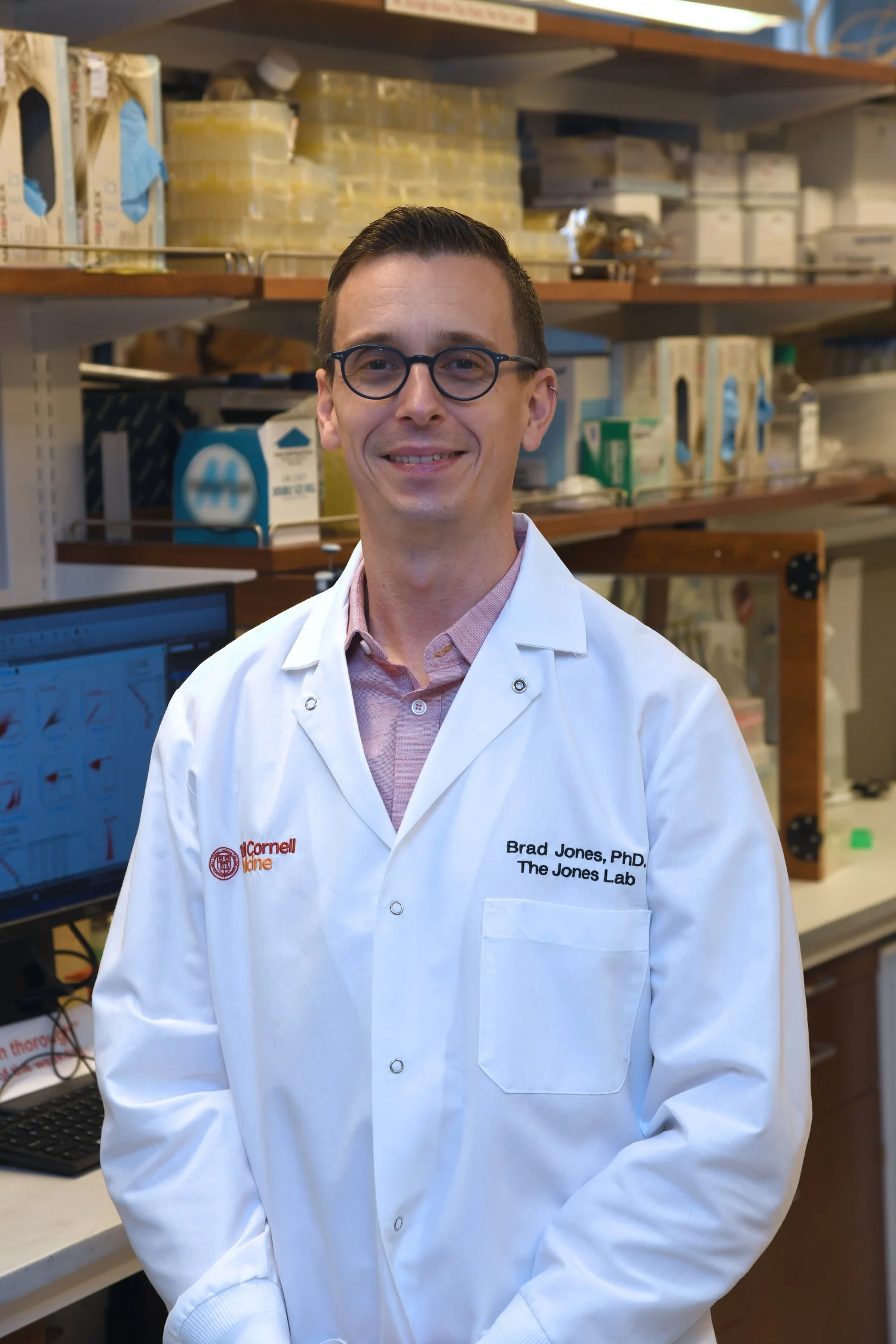
Principal investigator · RF2 lead
Brad Jones, PhD
Weill Cornell Medicine
Studies how T cells and NK cells recognize HIV reservoirs and how persistent infected cells resist immune elimination.
Profile & photo source ↗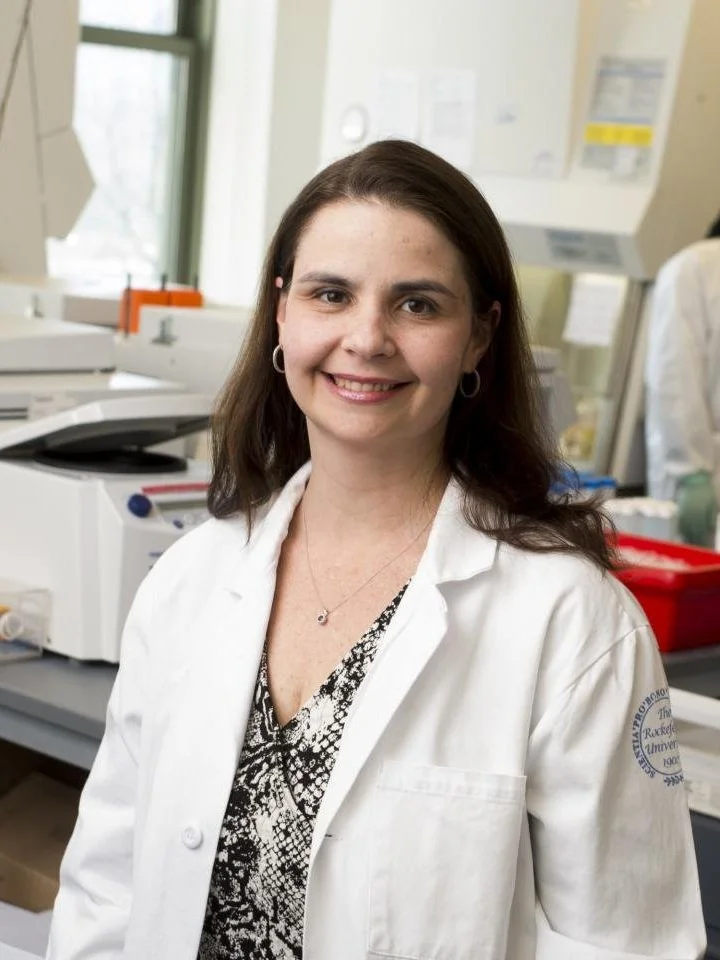
Principal investigator · RF1 co-lead
Marina Caskey, MD
The Rockefeller University
Connects reservoir research with clinical expertise in broadly neutralizing antibodies and the development of immune-based HIV interventions.
Profile & photo source ↗
Principal investigator · RF1 co-lead
Michel Nussenzweig, MD, PhD
The Rockefeller University
Brings expertise in antibodies, B-cell biology, and experimental platforms for investigating authentic HIV reservoirs.
Profile & photo source ↗
RF3 lead · Immune engineering
Harald Hartweger, PhD
The Rockefeller University
Develops approaches to engineer B cells and hematopoietic stem cells for durable production of broadly neutralizing antibodies.
Profile & photo source ↗
Cell therapy co-investigator
Catherine Bollard, MD
Children’s National / George Washington University
Brings expertise in adoptive cell therapy and the development of immune-cell approaches to target viral infection.
Profile & photo source ↗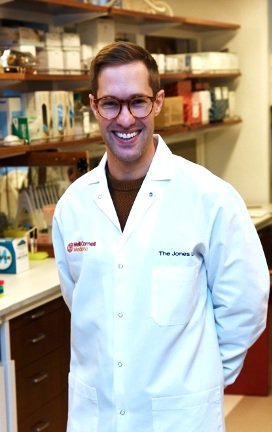
Program manager
Adam Ward, PhD, MS
Weill Cornell Medicine
Supports INSPIRE’s day-to-day coordination and collaboration across its research teams. A trained epidemiologist and biostatistician, Adam also brings expertise in study design and analysis.
Profile & photo source ↗Our NIH partners.
Program oversight, scientific guidance, and a shared commitment to HIV cure research. We thank our program officer, project scientist, and NIH management team for their expertise and continued partnership.
Leia Novak, PhD
Provides programmatic oversight and coordinates NIH engagement with INSPIRE.
Randall Tressler, MD
Brings scientific and clinical guidance to INSPIRE’s cooperative research program.
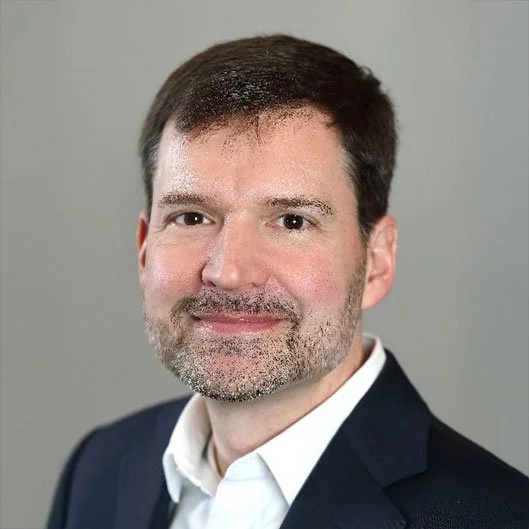
Karl Salzwedel, PhD
Chief, Pathogenesis and Basic Research Branch, NIAID Division of AIDS.
Profile & photo source ↗NIH internal management team
Alongside Leia, Randall, and Karl, we gratefully recognize our NIAID colleagues:
- Brigitte Sanders
 Jesus Salazar-GonzalezProfile & photo source ↗
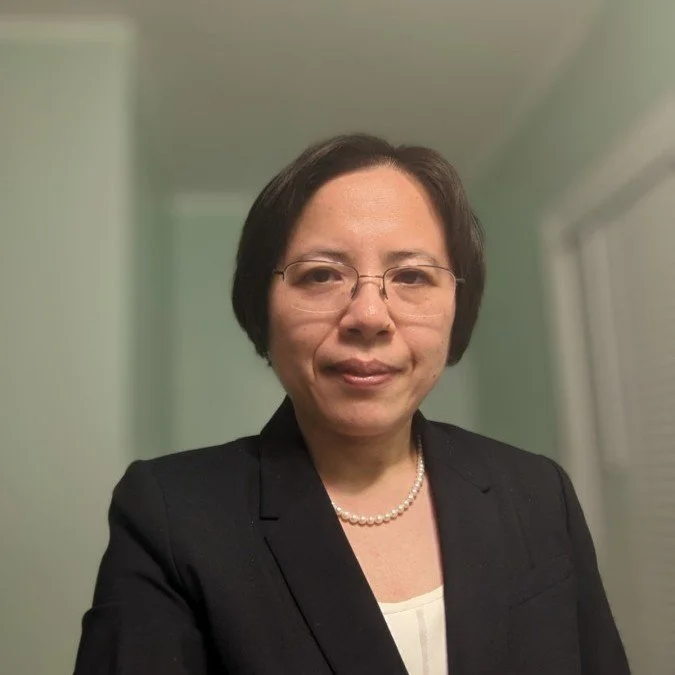 Yan ZhouProfile & photo source ↗
 Elizabeth JanciProfile & photo source ↗
- Dwight Yin
News & milestones.
New insight into HIV’s last strongholds
Weill Cornell Medicine shares the story behind the authentic reservoir clone study supported by INSPIRE and REACH.
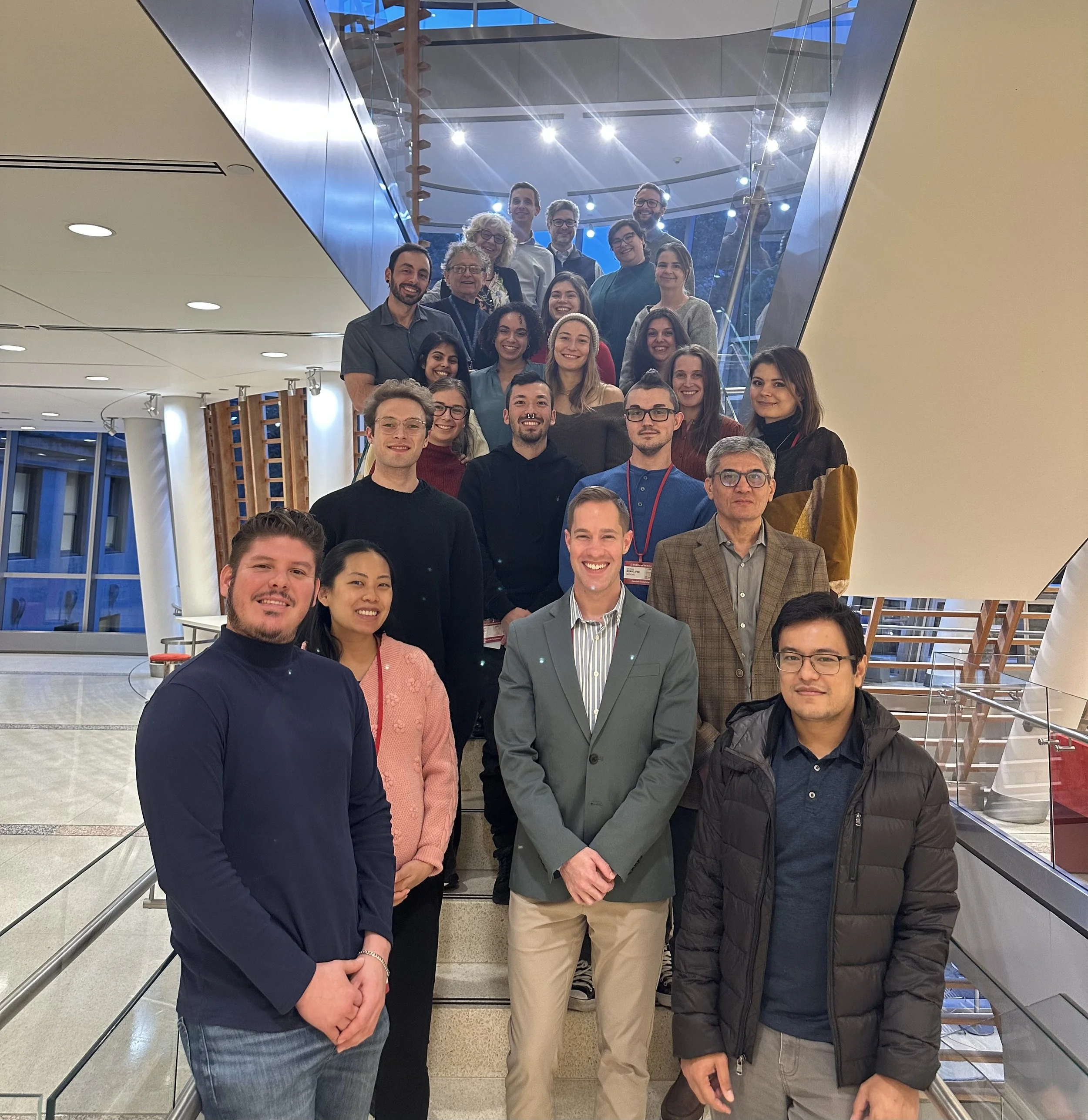
INSPIRE brings its research teams together
The program’s kickoff meeting at The Rockefeller University connected the three research areas with discussions of participant selection and future product development.
NIH award launches a personalized approach to HIV cure research
A five-year, $14.9 million NIAID award supports a collaborative effort to understand and target persistent HIV.
Progress starts
with collaboration.
For research and collaboration inquiries, contact the program’s lead investigator.
rbjones@med.cornell.edu ↗Brad Jones, PhD
Weill Cornell Medicine
New York, NY